
Patient guide
Colon Cancer Screening After 45: Stool Tests, Colonoscopy, and What Happens After an Abnormal Result
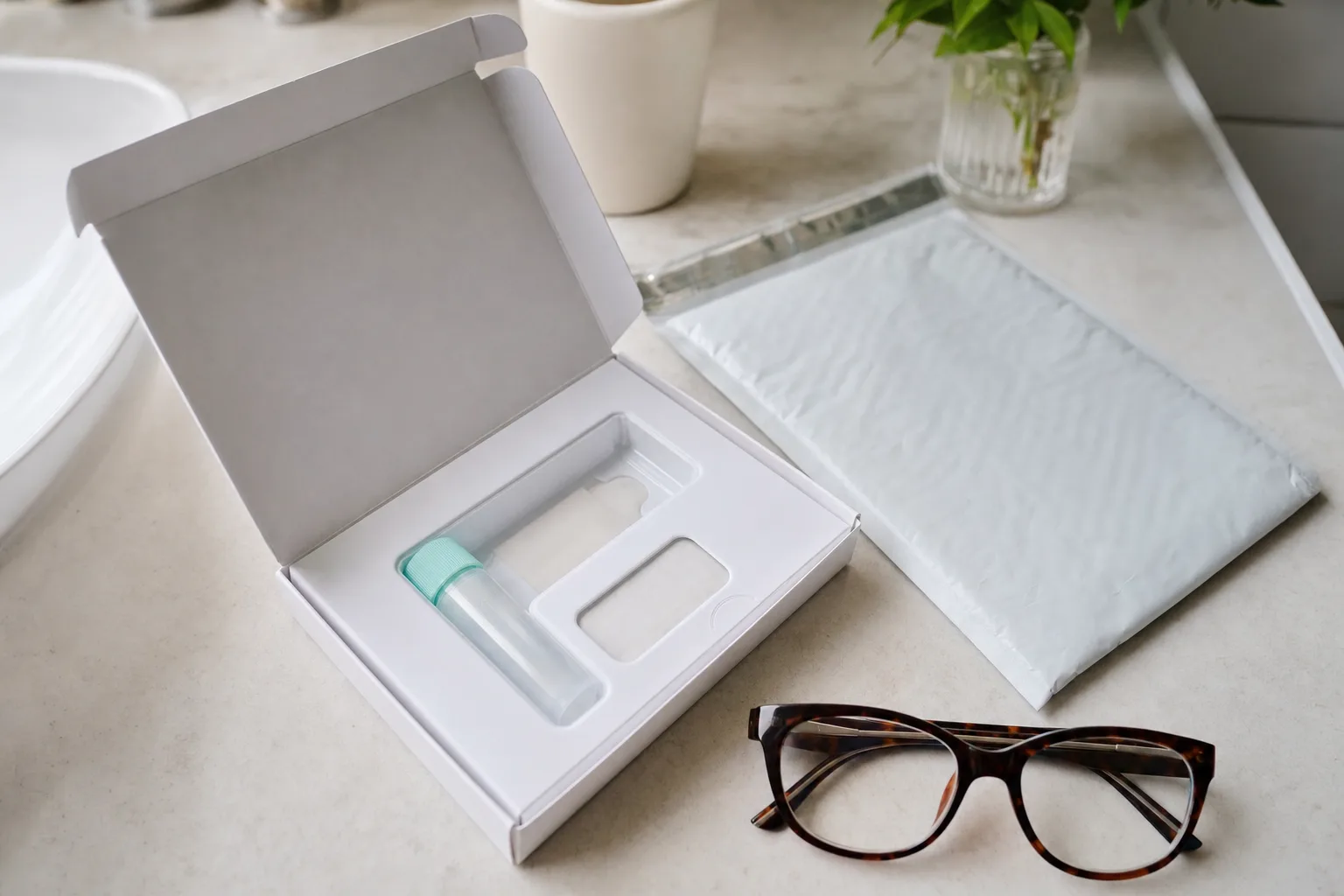
Most adults at average risk should start colon cancer screening at age 45, and there are several good options: yearly FIT stool testing, stool DNA-FIT every 1 to 3 years, or colonoscopy every 10 years if results are normal. For patients in Upland and Rancho Cucamonga, the best test is usually the one you can complete on schedule—and any abnormal stool test needs a colonoscopy to finish the screening process.
Why colon cancer screening starts at 45
Colon cancer screening, also called colorectal cancer screening, looks for cancer or precancerous growths in the colon or rectum before symptoms appear. The CDC says most people should begin screening at age 45, and the USPSTF recommends screening adults ages 45 to 75. CDC colorectal cancer screening USPSTF recommendation
Screening matters because many colorectal cancers develop from polyps, which are growths in the lining of the colon or rectum. Some screening tests can find signs of cancer early, and colonoscopy can also find and remove many polyps before they become cancer.
Screening is for people who do not have symptoms. If you have rectal bleeding, a persistent change in bowel habits, ongoing abdominal pain, or unexplained weight loss, you need medical evaluation rather than routine screening.
Who is average risk, and who may need a different plan?
You may be considered average risk if you are age 45 or older and do not have symptoms, a personal history of colorectal cancer or certain polyps, inflammatory bowel disease, a hereditary colorectal cancer syndrome, or a strong family history of colorectal cancer.
Your plan may need to be individualized if you have:
- A parent, sibling, or child with colorectal cancer, especially if diagnosed before age 50
- More than one close blood relative with colorectal cancer
- A personal history of colorectal polyps or colorectal cancer
- Crohn’s disease or ulcerative colitis, which are types of inflammatory bowel disease
- A known hereditary syndrome such as Lynch syndrome or familial adenomatous polyposis
The CDC notes that people with a parent or sibling diagnosed with colorectal cancer before age 50, or multiple close family members with colorectal cancer, may need screening at a younger age, more often, and sometimes with colonoscopy only. CDC family health history
If you are not sure about your family history, bring what you know: who had colon or rectal cancer, their age at diagnosis, and whether anyone had many colon polyps or genetic testing.
FIT, stool DNA-FIT, and colonoscopy: how the main options compare
For many average-risk adults, several screening choices are acceptable. Each has a different schedule, preparation, and follow-up plan.
| Test | How often if normal | What it involves | Main advantages | Important limits |
|---|---|---|---|---|
| FIT stool test | Every year | You collect a small stool sample at home and send it to a lab | No bowel prep, no sedation, done at home | Looks for hidden blood; must be repeated every year; abnormal results need colonoscopy |
| Stool DNA-FIT | Every 1 to 3 years | You collect a full stool sample at home; the test looks for blood and DNA changes | No bowel prep, no sedation, less frequent than yearly FIT | Abnormal results need colonoscopy; can have false positives and false negatives |
| Colonoscopy | Every 10 years for many average-risk adults if normal | A specialist examines the colon and rectum using a flexible camera after bowel prep, usually with sedation | Can find and remove polyps during the same test; done less often if normal | Requires bowel prep, time off, a ride home if sedated, and small risks such as bleeding or perforation |
The USPSTF lists several recommended strategies, including yearly high-sensitivity stool testing, stool DNA-FIT every 1 to 3 years, CT colonography every 5 years, flexible sigmoidoscopy-based strategies, and colonoscopy every 10 years. In day-to-day primary care, many patients choose between FIT, stool DNA-FIT, and colonoscopy.
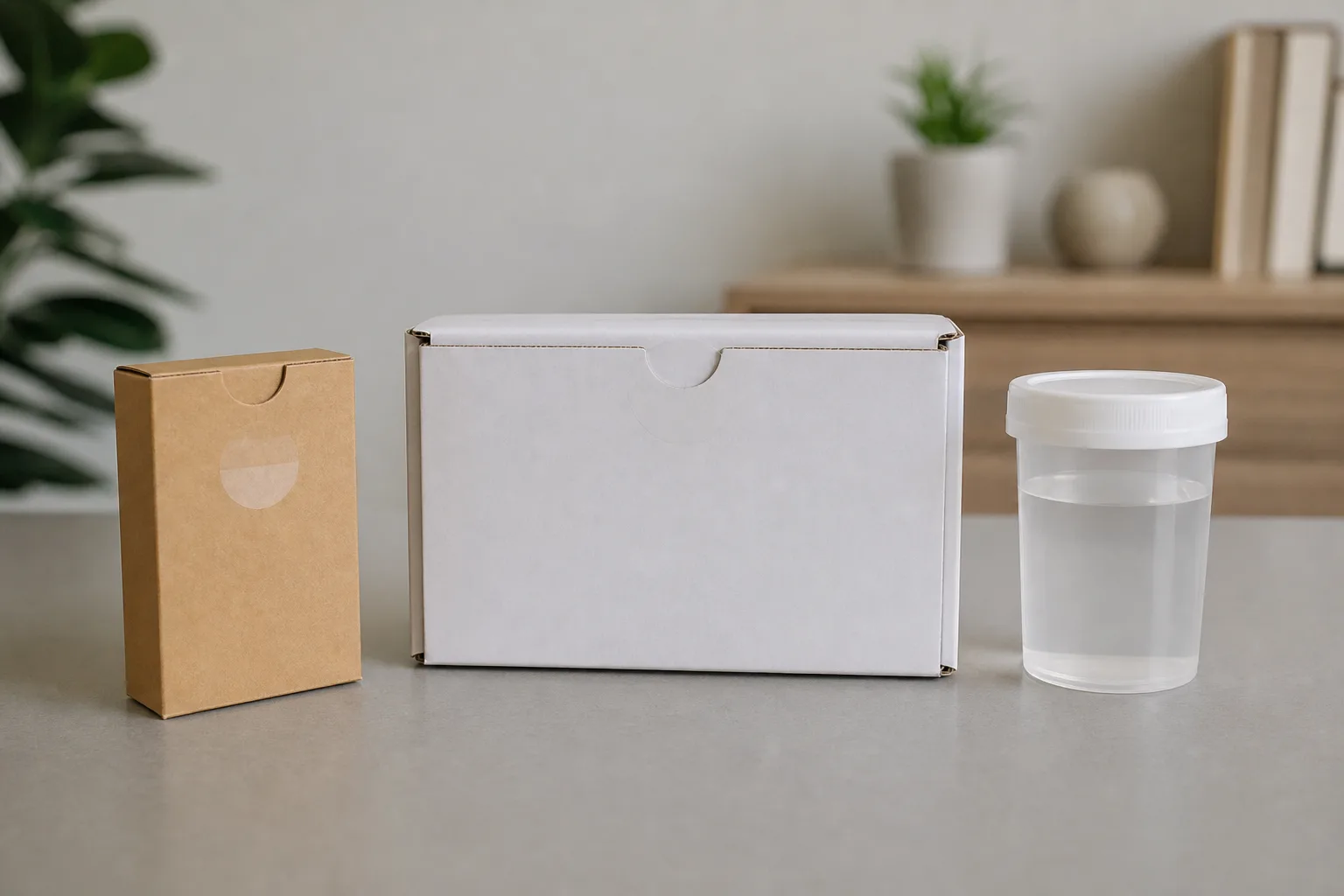
What to expect with a stool test
Stool tests are usually done at home. You receive a kit, collect the sample as directed, and return it to the lab or office. Follow the kit instructions closely because the collection steps differ by test.
A FIT test looks for hidden human blood from the lower intestine. A stool DNA-FIT test combines a blood test with testing for certain DNA changes in stool. Neither test diagnoses cancer by itself.
If the result is normal, you still need to repeat screening on schedule. A normal FIT this year does not replace next year’s FIT, because some cancers or polyps may not bleed all the time.
What to expect with colonoscopy
Colonoscopy requires bowel preparation so the doctor can see the lining of the colon clearly. This usually means a clear-liquid plan and a prescribed laxative preparation before the procedure. Follow the instructions exactly; a poor prep can make the test less useful and may mean it has to be repeated.
During colonoscopy, a doctor uses a thin, flexible tube with a camera to examine the rectum and colon. If polyps are found, they can often be removed during the same procedure and sent to a lab for review.
Because sedation is commonly used, most patients need someone to drive them home. Serious complications are uncommon, but they can include bleeding, a tear in the colon or rectum, or a reaction to sedation.
Seek urgent medical care after a colonoscopy if you develop severe abdominal pain, heavy rectal bleeding, dizziness, weakness, fever, or symptoms that feel concerning.
What happens after an abnormal stool test?
An abnormal FIT or stool DNA-FIT does not automatically mean cancer. It means the test found something that needs a closer look.
The next step is usually colonoscopy. The CDC states that a positive or abnormal stool test needs colonoscopy to complete the screening process. The USPSTF also states that abnormal stool-based tests should be followed by colonoscopy.
Do not repeat the stool test to “double-check” unless your clinician specifically instructs you to. Repeating can delay the colonoscopy that is needed to find the cause of the abnormal result.
After the colonoscopy, your follow-up schedule depends on what was found: no polyps, the number and type of polyps, whether any tissue was abnormal, the quality of the bowel prep, and your personal or family risk factors.
Ages 76 to 85: when screening becomes an individual decision
For adults 76 to 85, screening is not one-size-fits-all. The USPSTF recommends selective screening in this age group based on overall health, prior screening history, and personal preferences.
Screening may make more sense for an older adult who is healthy and has never been screened. It may make less sense for someone who has had regular normal screenings or has health conditions that would make follow-up testing or treatment more burdensome than beneficial.
This is a good conversation to have during an annual wellness visit, especially if you are unsure when your last colonoscopy or stool test was done.
In San Bernardino County
The California Department of Public Health lists colorectal cancer screening for adults ages 45 to 49 and ages 50 to 75 among preventive health service recommendations that follow USPSTF guidance. CDPH preventive health services recommendations
San Bernardino County Department of Public Health also lists colorectal screenings among primary care screening services for county residents. San Bernardino County primary care
For patients in Upland and Rancho Cucamonga, this reinforces a practical point: screening is routine preventive care, not something to wait on until symptoms appear.
When to see a doctor before choosing a screening test
Schedule a visit before choosing a test if you:
- Are 45 or older and have never been screened
- Are overdue for repeat screening
- Had an abnormal stool test and need help arranging colonoscopy
- Have a family history of colorectal cancer or many colon polyps
- Have Crohn’s disease, ulcerative colitis, or a prior history of polyps
- Are 76 to 85 and want to decide whether continued screening makes sense
You should also be evaluated promptly—not just screened—if you notice blood in or on the stool, a persistent change in bowel habits, ongoing abdominal pain or cramping, unexplained weight loss, or new iron-deficiency anemia.
Dr. Maher Danhash, MD, provides family medicine and preventive care at Elite Family Medical Center in Upland and Rancho Cucamonga. To review your risk, compare screening options, or follow up after an abnormal result, you can schedule an annual wellness visit or request a visit.
We see patients for this at our Upland and Rancho Cucamonga offices. Request a visit or call either office.
Common questions
- If my FIT test is positive, does that mean I have colon cancer?
- No. A positive FIT means blood was found in the stool. That can happen for reasons other than cancer, but a colonoscopy is usually needed to find the cause.
- Which is better: a stool test or a colonoscopy?
- Both can be appropriate for average-risk adults. Stool tests are done at home and repeated more often; colonoscopy is less frequent and can remove polyps during the same procedure. The best choice depends on your risk, preferences, and ability to complete follow-up.
- Can I repeat a stool test instead of getting a colonoscopy after an abnormal result?
- Usually no. CDC and USPSTF guidance says an abnormal stool-based screening test should be followed by colonoscopy to complete the screening process.
- Do I still need screening if I feel fine?
- Yes, if you are in the recommended age range and otherwise eligible. Screening is meant for people without symptoms because colorectal cancer and polyps may not cause symptoms early on.
- What if I have a parent or sibling who had colon cancer?
- Tell your doctor the relative’s diagnosis, age at diagnosis, and whether more than one close relative was affected. You may need earlier or more frequent screening, and some people should use colonoscopy rather than stool testing.
- Should adults older than 75 keep getting screened?
- It depends. From ages 76 to 85, screening is individualized based on overall health, prior screening history, life expectancy, and preferences. People who have never been screened may benefit more than those who have had regular normal screenings.
Sources
- Screening for Colorectal CancerCenters for Disease Control and Prevention
- Recommendation: Colorectal Cancer: ScreeningU.S. Preventive Services Task Force
- Clinician Summary: Colorectal Cancer: ScreeningU.S. Preventive Services Task Force
- Colorectal Cancer Screening TestsMedlinePlus
- Fecal Immunochemical Test (FIT)MedlinePlus
- Colorectal Cancer Risk FactorsCenters for Disease Control and Prevention
- Family Health History and AdultsCenters for Disease Control and Prevention
- ColonoscopyNational Institute of Diabetes and Digestive and Kidney Diseases
- Preventive Health Services RecommendationsCalifornia Department of Public Health
- Primary CareSan Bernardino County Department of Public Health
Questions about your own health?
Call either office, or request a visit online — we see patients in Upland and Rancho Cucamonga.
More from the health library
 Valley Fever or a Lingering Cold? What Inland Empire Patients Should Know About Cough After Dust ExposureCough after dusty Inland Empire winds, hiking, or construction? Learn when Valley fever should be considered and when Upland patients should call a doctor.
 Home Blood Pressure Monitors: How to Get More Reliable Readings and When to Bring Them to Your DoctorLearn how to check blood pressure at home, choose a reliable monitor, avoid common mistakes, and know when to seek care in Upland.
 San Bernardino County West Nile Virus: Symptoms, Prevention, and When to Call a DoctorLearn West Nile virus symptoms, mosquito bite prevention, and when Upland and Rancho Cucamonga patients should call a doctor.