
Patient guide
Home Blood Pressure Monitors: How to Get More Reliable Readings and When to Bring Them to Your Doctor
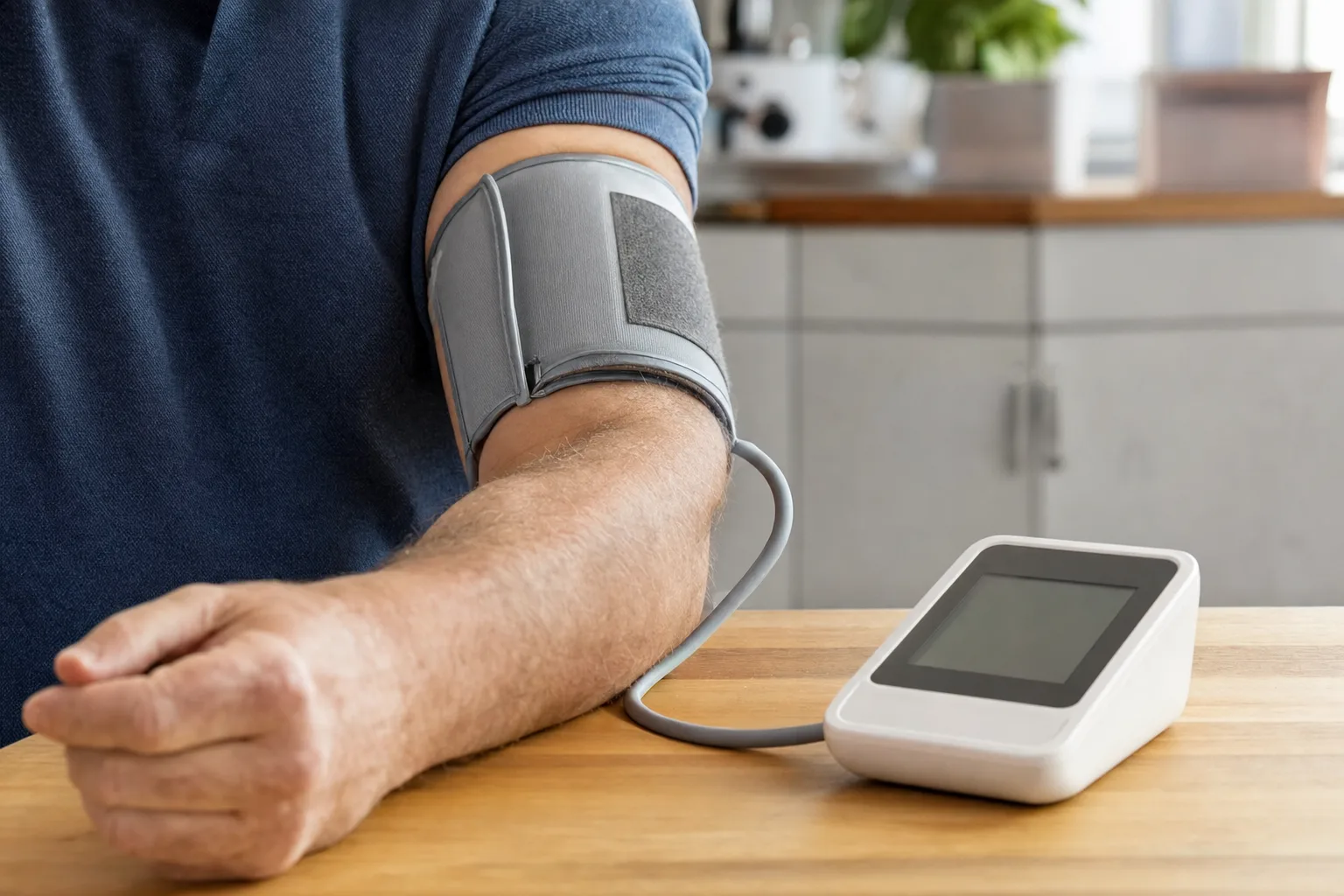
A home blood pressure monitor can be very helpful when it is an upper-arm device, the cuff fits correctly, and you use the same careful technique each time. Adults in Upland and Rancho Cucamonga who have high blood pressure, borderline readings, diabetes, kidney disease, or heart disease may be asked to keep a home log because guidelines recommend confirming high blood pressure with readings outside the office before treatment decisions. ([uspreventiveservicestaskforce.org](https://www.uspreventiveservicestaskforce.org/uspstf/recommendation/hypertension-in-adults-screening?utm_source=openai))
Why home blood pressure readings matter
Blood pressure is the force of blood pushing against the walls of your arteries. The top number is called systolic pressure, and the bottom number is called diastolic pressure. High blood pressure often has no warning signs, so measuring it is the main way to know whether it is in a safe range. (cdc.gov)
Home readings can show what your blood pressure looks like during ordinary life, not just during an office visit. The U.S. Preventive Services Task Force recommends screening adults for high blood pressure in the office and confirming the diagnosis with measurements outside the clinical setting before starting treatment. (uspreventiveservicestaskforce.org)
Home monitoring may be especially useful if your readings are borderline, if your office readings are higher than expected, if your treatment plan recently changed, or if you have conditions such as diabetes, kidney disease, heart disease, or known high blood pressure. It does not replace regular medical visits, and you should not stop blood pressure medicine because of home readings unless your healthcare professional tells you to. (heart.org)
Choose the right home blood pressure monitor
For most adults, the best choice is an automatic, cuff-style monitor that goes around the upper arm. The American Heart Association recommends an automatic upper-arm monitor and notes that wrist and finger monitors are not recommended for routine home monitoring because they can be less reliable. (heart.org)
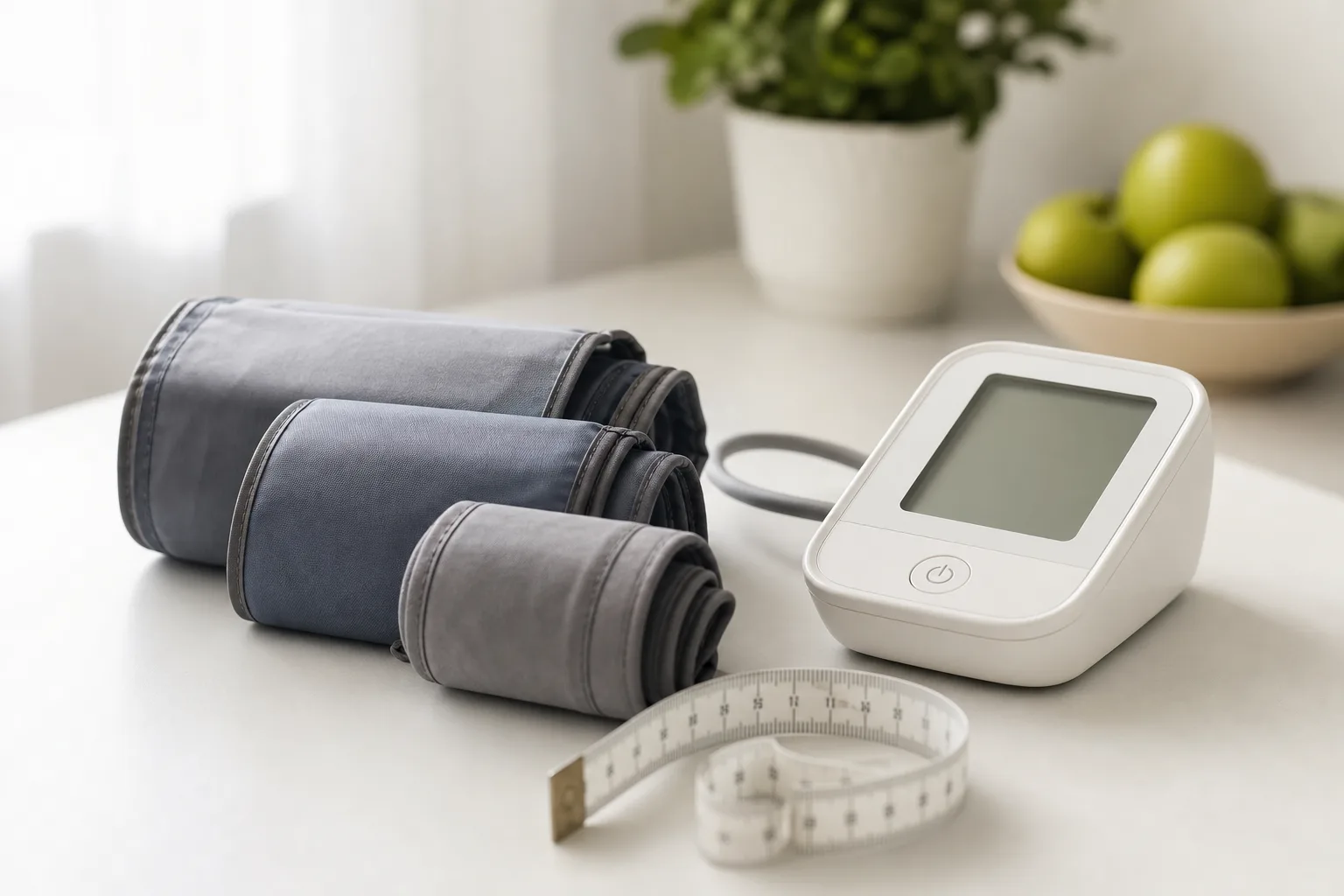
Cuff size matters. A cuff that is too small or too large can give a misleading reading, so measure around your upper arm and choose a cuff size that matches the device instructions. If you are not sure, bring the cuff or product information to your next visit and ask the care team to check the fit. (heart.org)
The FDA has warned patients not to use unauthorized devices, including some smartwatch, smart ring, wrist, or finger features that claim to measure or estimate blood pressure. The FDA says people whose care depends on accurate blood pressure readings should talk with a healthcare professional about an appropriate FDA-authorized device. (fda.gov)
A practical rule: choose an upper-arm device from a reputable source, avoid gadgets that make big claims without clear medical authorization, and bring the device to your doctor’s office before you rely on the numbers for treatment decisions.
How to take a more reliable reading at home
Small details can change a blood pressure reading. For a more reliable result, use the same routine each time:
- Avoid caffeine, smoking, alcohol, exercise, and a heavy meal for about 30 minutes before checking.
- Empty your bladder first.
- Sit in a chair with your back supported for at least 5 minutes.
- Keep both feet flat on the floor and do not cross your legs.
- Put the cuff on bare skin, not over clothing.
- Rest your arm on a table so the cuff is at about heart level.
- Stay quiet; do not talk, text, or scroll on your phone during the reading.
- Take two readings about one minute apart if your clinician has asked you to keep a log.
The CDC and American Heart Association both emphasize proper position, a bare arm, a supported arm at chest or heart level, and avoiding talking during the measurement. (cdc.gov)
What to write in your blood pressure log
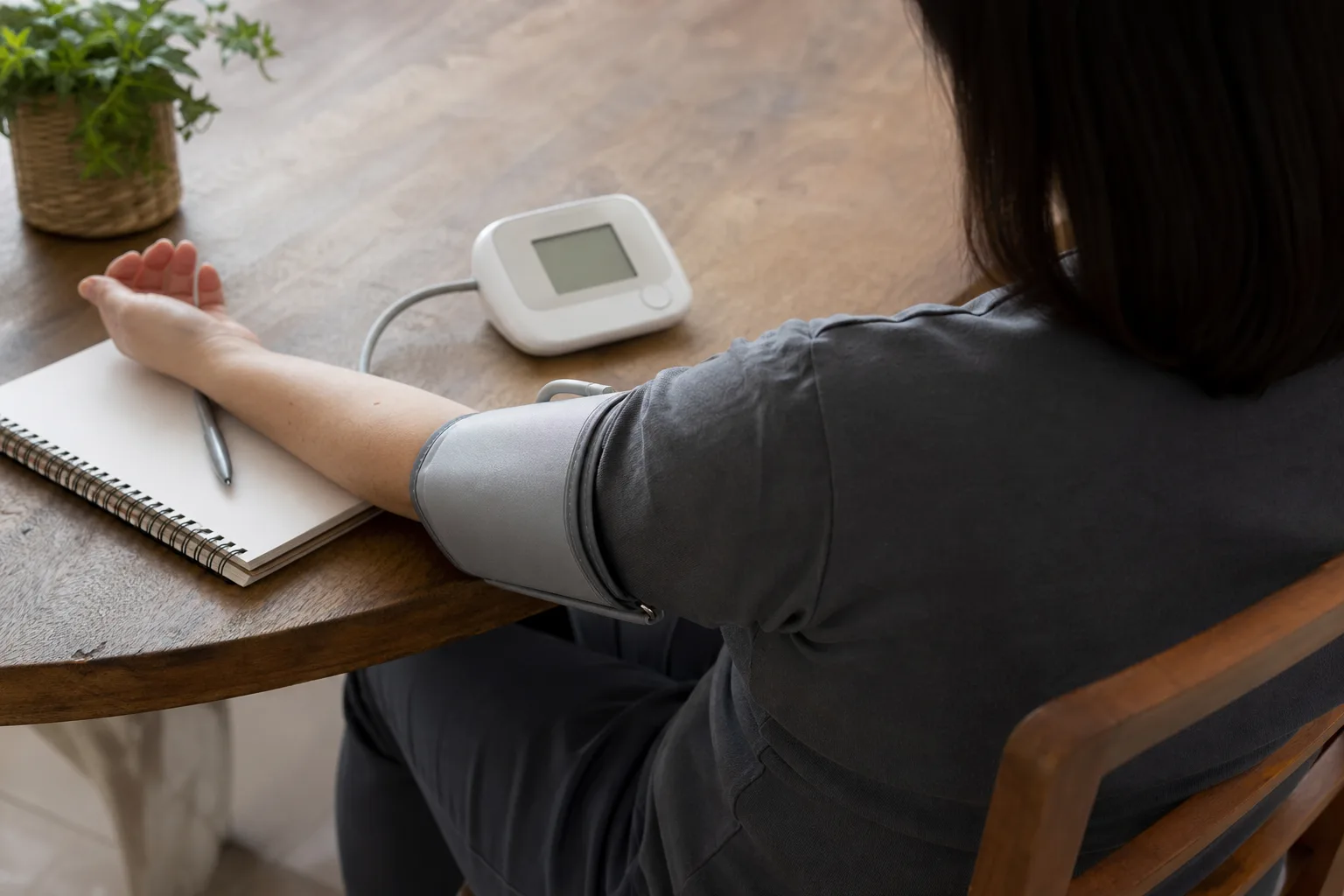
A good log is more useful than a single number. Write down:
- Date and time.
- Systolic number, the top number.
- Diastolic number, the bottom number.
- Pulse, if your monitor shows it.
- Which arm you used.
- Any symptoms.
- Helpful context, such as missed medication, caffeine, exercise, poor sleep, pain, stress, or illness.
Try not to delete or ignore readings you do not like. A clinician is usually looking for the overall pattern, not just one isolated value. Home blood pressure monitoring is most helpful when readings are recorded consistently and reviewed with your healthcare team. (heart.org)
When readings may be misleading
A single high reading does not always mean your blood pressure is uncontrolled. Common reasons for a temporarily higher reading include rushing, pain, anxiety, caffeine, nicotine, exercise, a full bladder, talking during the test, or sitting with your legs crossed. The CDC notes that what you ate, drank, or did before a reading and how you sit can affect the result. (cdc.gov)
Readings may also be inaccurate if the cuff is over clothing, the cuff does not fit, your arm is hanging down, the device is not working properly, or the device is not meant for the upper arm. If your home numbers are very different from office numbers, bring the monitor in so the office can compare readings and technique.
What the numbers mean
Blood pressure categories are based on the average of careful readings, not one rushed measurement. The American Heart Association lists adult categories as normal below 120/80 mm Hg, elevated at 120–129 systolic and below 80 diastolic, stage 1 high blood pressure at 130–139 systolic or 80–89 diastolic, and stage 2 high blood pressure at 140 or higher systolic or 90 or higher diastolic. (heart.org)
Your personal goal may differ depending on age, other medical conditions, medications, side effects, pregnancy status, and overall cardiovascular risk. If you have diabetes, kidney disease, heart disease, prior stroke, dizziness, falls, or medication side effects, ask your clinician what range is right for you.
When to bring your monitor to your doctor
Bring your home blood pressure monitor and written or digital log when:
- You buy a new device.
- Your cuff does not seem to fit.
- Readings are consistently above the range your clinician gave you.
- Readings are much lower than usual, especially with dizziness or faintness.
- Home readings and office readings do not match.
- You are starting, stopping, or changing blood pressure medication.
- You have diabetes, kidney disease, heart failure, or other conditions where accurate readings guide care.
At Elite Family Medical Center, patients in Upland and Rancho Cucamonga can review home blood pressure technique as part of high blood pressure care, chronic condition follow-up, or an annual check-up. If you have been asked to keep a log or your readings are confusing, you can request a visit or call the office.
When to seek urgent or emergency care
If your blood pressure is higher than 180/120 mm Hg, sit quietly and repeat the reading after a short rest. If it stays very high but you do not have new or severe symptoms, contact a healthcare professional promptly for guidance. (heart.org)
Call 911 right away if a very high reading comes with chest pain, severe shortness of breath, back pain, numbness, weakness, vision changes, trouble speaking, confusion, fainting, or stroke-like symptoms. Do not drive yourself if you may be having a heart attack, stroke, or another emergency. The American Heart Association advises calling 911 for severe chest pain, difficulty breathing, stroke symptoms, or other life-threatening symptoms. (heart.org)
In San Bernardino County
San Bernardino County’s 2024 Community Health Assessment includes high blood pressure among local health outcomes and reports a higher percentage for San Bernardino County than for California overall. For adults in Upland, Rancho Cucamonga, and nearby communities, this makes accurate measurement and follow-up an important part of prevention, especially for people with diabetes, kidney disease, heart disease, or other risk factors. (dph.sbcounty.gov)
We see patients for this at our Upland and Rancho Cucamonga offices. Request a visit or call either office.
Common questions
- Is a home blood pressure monitor as accurate as the doctor’s office?
- It can be useful if the device is reliable, the cuff fits, and your technique is correct. Bring the monitor to your visit so your healthcare team can compare it with office equipment and watch how you use it.
- Is a wrist blood pressure monitor okay?
- An upper-arm cuff monitor is usually preferred. The American Heart Association does not recommend wrist and finger monitors for routine home use because they can give less reliable readings.
- How many blood pressure readings should I take at home?
- Follow your clinician’s plan. A common method is to take two readings about one minute apart, at the same times each day, and record both readings rather than choosing the lower number.
- Should I change my blood pressure medicine based on home readings?
- Do not stop, start, or change blood pressure medication based only on home readings unless your healthcare professional has told you exactly when to do so. Call the office if readings are repeatedly higher or lower than your plan.
- What blood pressure reading is an emergency?
- If your blood pressure is higher than 180/120 mm Hg, repeat it after a short rest. If it remains that high and you have chest pain, shortness of breath, weakness, numbness, vision changes, trouble speaking, or other severe symptoms, call 911.
- What should I write in a blood pressure log?
- Write the date, time, top number, bottom number, pulse if your device shows it, which arm you used, and any helpful context such as missed medication, exercise, caffeine, pain, stress, or symptoms.
Sources
- Hypertension in Adults: ScreeningU.S. Preventive Services Task Force
- Do Not Use Unauthorized Devices for Measuring Blood Pressure: FDA Safety CommunicationU.S. Food and Drug Administration
- Home Blood Pressure MonitoringAmerican Heart Association
- Measuring Your Blood PressureCenters for Disease Control and Prevention
- What is High Blood Pressure?American Heart Association
- Self-Measured Blood Pressure Fact SheetNational Heart, Lung, and Blood Institute
- 2024 Community Health Assessment ReportSan Bernardino County
Questions about your own health?
Call either office, or request a visit online — we see patients in Upland and Rancho Cucamonga.
More from the health library
 Valley Fever or a Lingering Cold? What Inland Empire Patients Should Know About Cough After Dust ExposureCough after dusty Inland Empire winds, hiking, or construction? Learn when Valley fever should be considered and when Upland patients should call a doctor.
 San Bernardino County West Nile Virus: Symptoms, Prevention, and When to Call a DoctorLearn West Nile virus symptoms, mosquito bite prevention, and when Upland and Rancho Cucamonga patients should call a doctor.
 Pneumonia Vaccine After 50: Who Should Ask About PCV15, PCV20, or PCV21?Adults 50 and older in Upland can ask which pneumonia vaccine fits their age, health risks, and vaccine history: PCV15, PCV20, or PCV21.