
Prevention
Pneumonia Vaccine After 50: Who Should Ask About PCV15, PCV20, or PCV21?
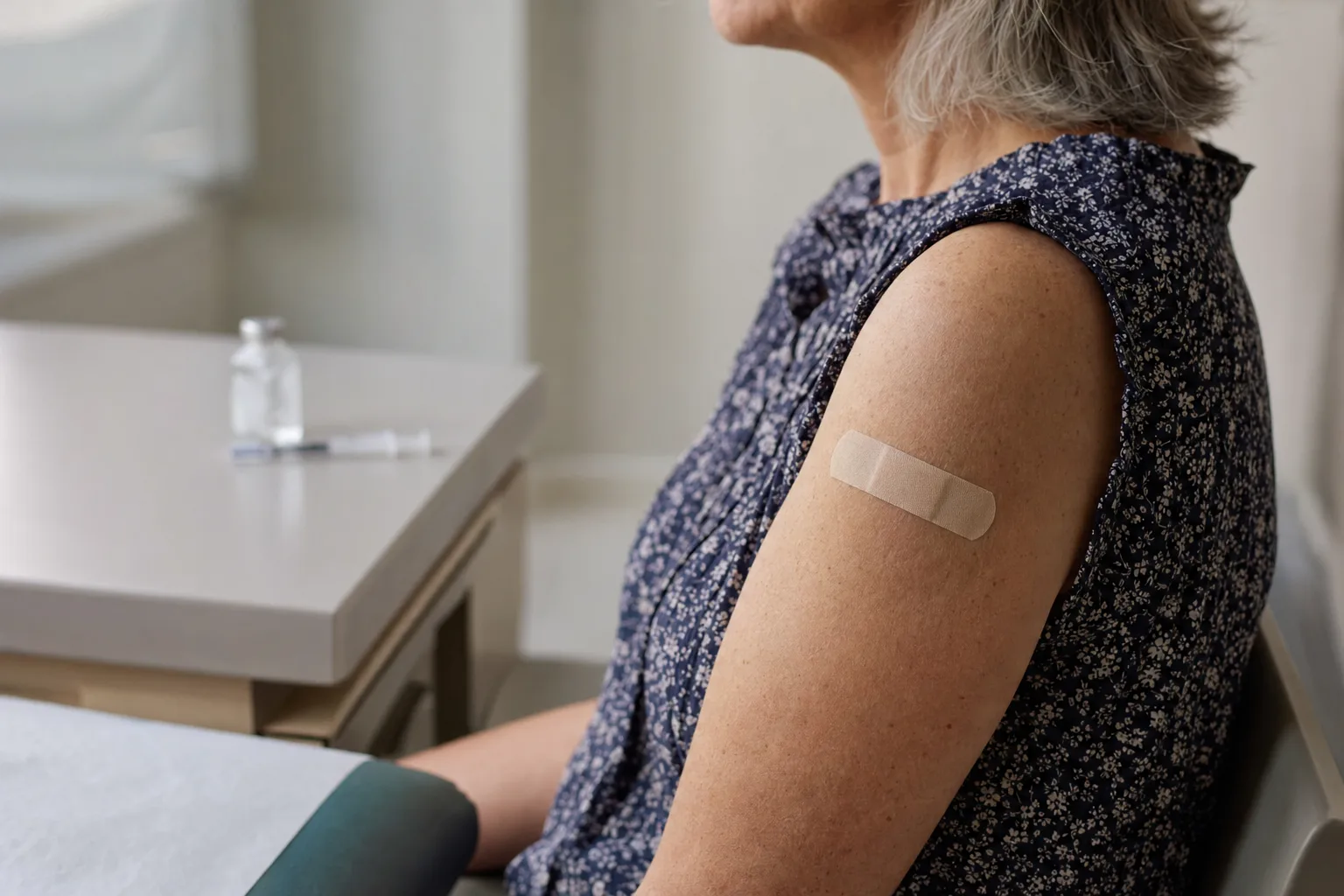
If you are 50 or older and have never received a pneumococcal conjugate vaccine, or you are not sure, CDC recommends asking about PCV15, PCV20, or PCV21. Adults 19–49 with certain risk conditions may also need pneumococcal vaccination. For patients in Upland and Rancho Cucamonga, the best choice and timing depend on your age, medical conditions, and whether you previously received PCV13, PCV15, PCV20, PCV21, or PPSV23.
What the pneumonia vaccine is for
The “pneumonia vaccine” most adults ask about is a pneumococcal vaccine. It helps protect against disease caused by Streptococcus pneumoniae, a type of bacteria that can cause pneumonia, bloodstream infection, meningitis, sinus infection, and ear infection.
It does not prevent every cause of pneumonia. Flu, RSV, COVID-19, and other germs can also cause pneumonia, which is why your vaccine review may include more than one respiratory vaccine.
CDC’s current adult pneumococcal vaccine page lists two types used in the United States: pneumococcal conjugate vaccines, called PCVs, and pneumococcal polysaccharide vaccine, called PPSV23. The adult PCV options include PCV15, PCV20, and PCV21. You can review CDC’s patient-facing guidance here: Recommended Vaccines for Adults.
Who should ask about PCV15, PCV20, or PCV21?
Ask at your next visit if any of these apply:
- You are 50 or older and have never received a pneumococcal conjugate vaccine.
- You are 50 or older and are not sure which pneumonia vaccine you received in the past.
- You are 19–49 and have a condition or risk factor that can increase the risk of pneumococcal disease.
- You previously received an older pneumococcal vaccine, such as PCV13 or PPSV23, and are unsure whether your series is complete.
CDC recommends PCV15, PCV20, or PCV21 for adults who have never received a PCV and are either age 50 or older, or age 19–49 with certain risk conditions. If PCV15 is used, CDC recommends a later dose of PPSV23. If PCV20 or PCV21 is used, PPSV23 is not needed afterward for that series.
For adults 19–49, CDC’s risk-based list includes medical conditions and other factors such as diabetes, chronic heart disease, chronic lung disease, chronic liver disease, chronic kidney problems, cigarette smoking, alcoholism, cerebrospinal fluid leak, cochlear implant, and conditions or treatments that weaken the immune system. The detailed CDC risk-based recommendations are available here: Summary of Risk-based Pneumococcal Vaccination Recommendations.

How PCV15, PCV20, and PCV21 differ
The names can be confusing, but the numbers refer to the pneumococcal types, or serotypes, included in the vaccine.
- PCV15 protects against 15 pneumococcal types and is usually followed by PPSV23.
- PCV20 protects against 20 pneumococcal types and usually completes the pneumococcal vaccine series by itself for eligible adults.
- PCV21 protects against 21 pneumococcal types and usually completes the pneumococcal vaccine series by itself for eligible adults.
None of these is automatically “best” for every person. Vaccine choice can depend on what you already received, which vaccines are available, your health conditions, and clinical guidance at the time of your visit. CDC’s healthcare-provider page notes that pneumococcal vaccination recommendations depend on age, risk conditions, and vaccination history: Pneumococcal Vaccine Recommendations.
Why your vaccine history matters
Pneumococcal vaccine timing is not one-size-fits-all. A person who never received a PCV may have a different recommendation than someone who already received PCV13, PCV15, PCV20, PCV21, or PPSV23.
If you received PCV20 or PCV21 in the past, CDC generally does not recommend an additional pneumococcal vaccine dose. If you received PCV15 but never received the recommended PPSV23 afterward, your clinician can review whether and when another dose is appropriate. If you received older vaccines, especially PCV13 or PPSV23, the next step depends on your age, risk conditions, and the interval since your last pneumococcal dose.
Before your annual check-up, try to bring:
- Your vaccine card, pharmacy printout, or patient portal record
- The approximate year you received a pneumonia shot, if you remember it
- A list of chronic conditions and immune-suppressing medications
- Your Medicare or insurance information, if applicable
Symptoms the vaccine is meant to help prevent
Pneumococcal disease can look different depending on where the bacteria cause infection. CDC lists pneumococcal pneumonia symptoms such as cough, fever and chills, chest pain, and fast or difficult breathing. Older adults may have confusion or low alertness rather than the more typical symptoms.
Pneumococcal meningitis can cause fever, headache, stiff neck, confusion, and sensitivity to light. Pneumococcal bloodstream infection can cause fever, chills, and low alertness. CDC’s symptom page explains these warning signs in more detail: Pneumococcal Disease Symptoms and Complications.
Vaccination lowers risk, but it does not remove the need to seek care if symptoms develop.
Safety and common side effects
Pneumococcal vaccines, like other vaccines, can cause side effects. CDC lists common side effects such as soreness or swelling where the shot was given, fever, headache, drowsiness, and loss of appetite. These effects are usually mild and last a short time.
A severe allergic reaction after vaccination is rare but can be life-threatening. Call 911 right away for signs such as hives, swelling of the face or throat, or trouble breathing after a vaccine. CDC’s vaccine safety page provides more detail: Pneumococcal Vaccine Safety.
In San Bernardino County
San Bernardino County Department of Public Health lists adult check-ups, physical exams, immunizations, flu shots, and pneumonia vaccine among its clinic operations primary care services. The county also has an immunizations page that describes immunizations as helping prevent harmful disease in children, adolescents, and adults.
For patients in Upland, Rancho Cucamonga, and nearby communities, local public health information can be useful, but your personal vaccine timing should still be based on your medical history and current CDC recommendations. County information is available through the San Bernardino County Department of Public Health pages for Primary Care and Immunizations.
When to see a doctor or seek urgent care
Ask about the pneumonia vaccine at an annual wellness visit, diabetes follow-up, COPD or asthma visit, heart disease visit, kidney disease follow-up, or any appointment where you review medications and preventive care. Patients can also request a visit to review vaccine history and timing.
Seek urgent medical care right away if you have trouble breathing, chest pain, blue or gray lips, severe weakness, confusion, a stiff neck with fever, or symptoms that are rapidly worsening. These symptoms do not prove pneumococcal disease, but they can signal a serious infection or another emergency that needs prompt evaluation.
We see patients for this at our Upland and Rancho Cucamonga offices. Request a visit or call either office.
Common questions
- Is the pneumonia vaccine recommended at age 50 now?
- Yes. CDC recommends PCV15, PCV20, or PCV21 for adults 50 and older who have never received a pneumococcal conjugate vaccine or whose history is unknown.
- Do I need PPSV23 after PCV20 or PCV21?
- Usually no. CDC says when PCV20 or PCV21 is used for an eligible adult, it does not need to be followed by PPSV23.
- Why would someone choose PCV15 instead?
- PCV15 is one of the CDC-recommended options for eligible adults, but it is usually followed by PPSV23. A healthcare professional can help compare options based on availability, prior vaccines, and medical history.
- What if I already had a pneumonia vaccine years ago?
- Bring your vaccine record if you have it. Prior PCV13, PPSV23, PCV15, PCV20, or PCV21 can change whether another dose is recommended and how long to wait.
- Can I get a pneumonia vaccine at the same visit as a flu shot?
- CDC states pneumococcal vaccines can be given during the same visit as influenza vaccination or other recommended vaccines when appropriate.
- Does the pneumonia vaccine prevent every kind of pneumonia?
- No. Pneumococcal vaccines help protect against disease caused by Streptococcus pneumoniae. Pneumonia can also be caused by other bacteria, viruses, and fungi.
Sources
- Recommended Vaccines for AdultsCenters for Disease Control and Prevention
- Pneumococcal Vaccine RecommendationsCenters for Disease Control and Prevention
- Summary of Risk-based Pneumococcal Vaccination RecommendationsCenters for Disease Control and Prevention
- Pneumococcal Disease Symptoms and ComplicationsCenters for Disease Control and Prevention
- Pneumococcal Vaccine SafetyCenters for Disease Control and Prevention
- Primary CareSan Bernardino County Department of Public Health
- ImmunizationsSan Bernardino County Department of Public Health
Questions about your own health?
Call either office, or request a visit online — we see patients in Upland and Rancho Cucamonga.
More from the health library
 Valley Fever or a Lingering Cold? What Inland Empire Patients Should Know About Cough After Dust ExposureCough after dusty Inland Empire winds, hiking, or construction? Learn when Valley fever should be considered and when Upland patients should call a doctor.
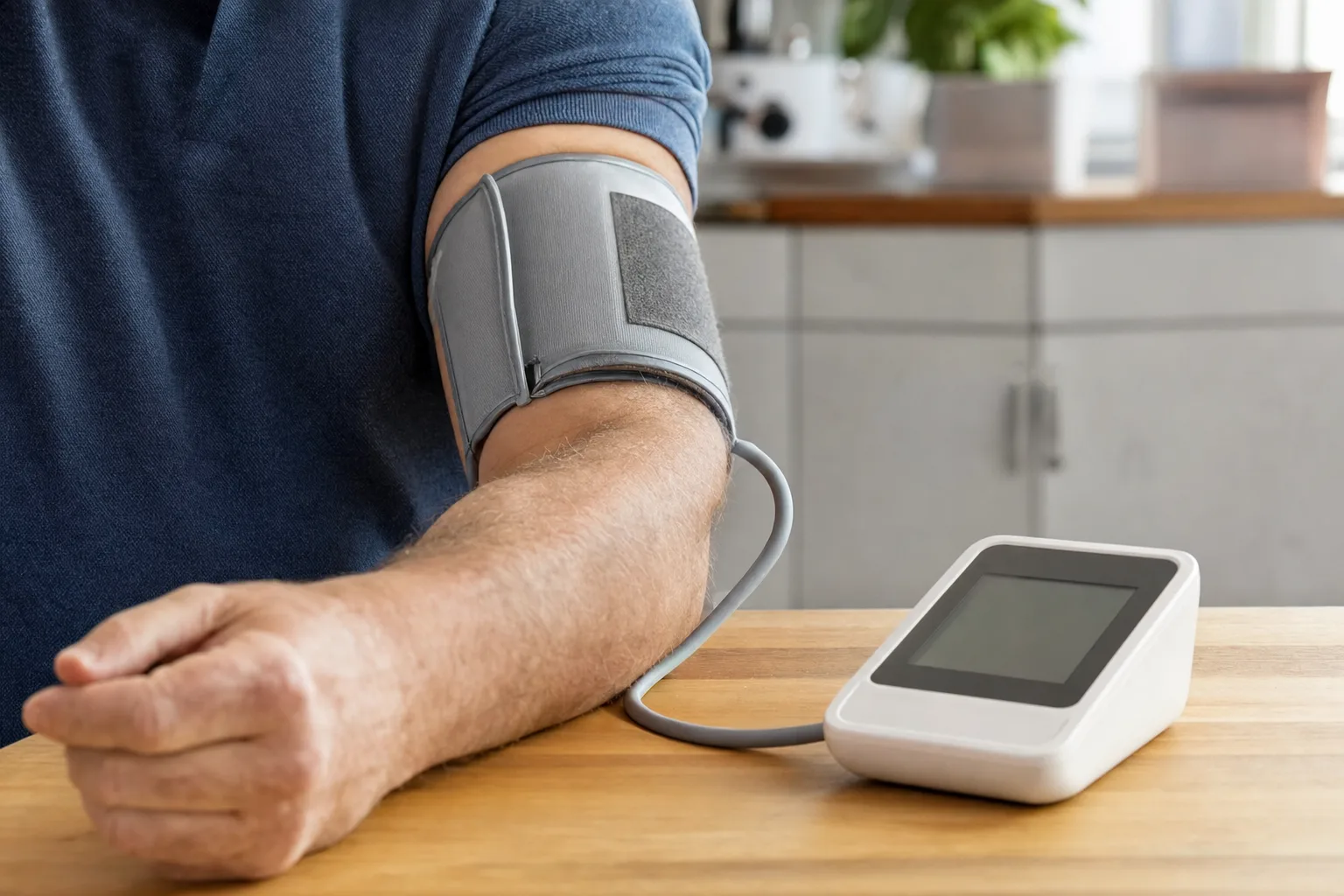 Home Blood Pressure Monitors: How to Get More Reliable Readings and When to Bring Them to Your DoctorLearn how to check blood pressure at home, choose a reliable monitor, avoid common mistakes, and know when to seek care in Upland.
 San Bernardino County West Nile Virus: Symptoms, Prevention, and When to Call a DoctorLearn West Nile virus symptoms, mosquito bite prevention, and when Upland and Rancho Cucamonga patients should call a doctor.