
Seasonal
San Bernardino County West Nile Virus: Symptoms, Prevention, and When to Call a Doctor
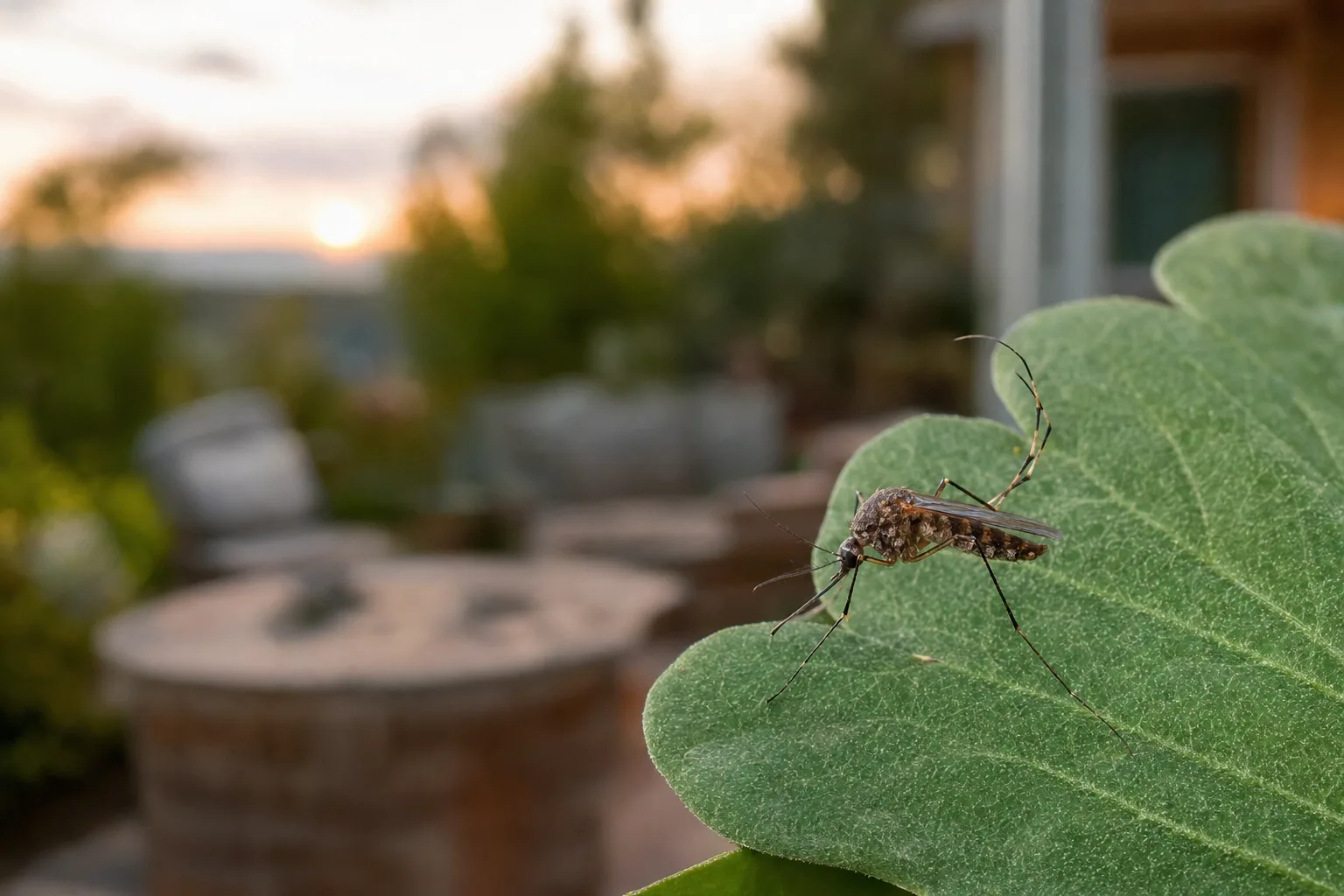
West Nile virus usually spreads through infected mosquito bites, and most people do not develop symptoms. In San Bernardino County, prevention is especially important after local West Nile activity was reported in 2026; call a doctor for fever, headache, body aches, vomiting, diarrhea, or rash after mosquito exposure, and seek urgent care for severe headache, stiff neck, confusion, weakness, vision changes, numbness, paralysis, or loss of consciousness. ([main.sbcounty.gov](https://main.sbcounty.gov/2026/09/17/first-human-case-of-west-nile-virus-reported-in-san-bernardino/))
Why West Nile virus matters this fall
West Nile virus is a mosquito-borne virus, meaning it can spread when an infected mosquito bites a person. CDC describes West Nile as the leading cause of mosquito-borne disease in the contiguous United States, with activity during mosquito season, which typically starts in summer and continues into fall. (cdc.gov)
For families, seniors, outdoor workers, gardeners, hikers, and people who spend evenings outside in Upland, Rancho Cucamonga, and nearby communities, the practical message is simple: avoid bites, watch for symptoms, and know the warning signs that need urgent care.
In San Bernardino County
On September 17, 2026, San Bernardino County Public Health reported the county’s first confirmed human West Nile virus case of 2026. The case was identified in a resident of the city of San Bernardino, and the county noted it was the first reported human case in San Bernardino County since 2024. (main.sbcounty.gov)
Earlier in the season, mosquitoes collected in the city of San Bernardino tested positive for West Nile virus, which San Bernardino County described as the first positive mosquito collection in 2026 within the area served by its Environmental Health Services Mosquito and Vector Control Program. (dph.sbcounty.gov)
Statewide, the California Department of Public Health reported on August 20, 2026 that West Nile virus activity in California was at a five-year high and urged Californians to protect against mosquito bites. CDPH also noted that West Nile activity in the United States typically rises during summer and into fall. (cdph.ca.gov)
How West Nile virus spreads
West Nile virus most often spreads to people through the bite of an infected mosquito. Mosquitoes become infected after feeding on infected birds, then can spread the virus when they bite people. (cdc.gov)
You cannot tell by looking at a mosquito whether it carries West Nile virus. That is why bite prevention matters even when there is no visible outbreak in your neighborhood. CDC also notes that West Nile virus does not have a licensed vaccine or medicine to prevent infection in people. (cdc.gov)
Symptoms to watch for after a mosquito bite
Most people infected with West Nile virus do not develop symptoms. When symptoms do occur, CDC says they usually start 2 to 6 days after a bite from an infected mosquito, though the range can be 2 to 14 days and may be longer in people with weakened immune systems. (cdc.gov)
Mild West Nile illness can feel like a flu-like viral infection. Symptoms may include:
- Fever
- Headache
- Body aches or joint pain
- Vomiting or diarrhea
- Rash
- Fatigue or weakness
Most people with mild illness recover completely, but CDC notes that fatigue and weakness can last for weeks or months in some people. (cdc.gov)
Severe West Nile illness is uncommon, but it can affect the brain, spinal cord, or surrounding tissues. Warning symptoms can include high fever, severe headache, stiff neck, confusion, disorientation, muscle weakness, numbness, vision loss, paralysis, stupor, or loss of consciousness. (main.sbcounty.gov)
Who has higher risk for serious illness
Anyone can get West Nile virus if bitten by an infected mosquito, and anyone can develop mild or severe disease. However, severe illness is more likely in some groups.
Risk increases with age, certain chronic medical conditions, and a weakened immune system. San Bernardino County lists higher-risk groups as older adults and people with weakened immune systems or certain medical conditions, including cancer, diabetes, hypertension, kidney disease, organ transplant, or medicines that suppress the immune system. (main.sbcounty.gov)
CDC similarly notes that neuroinvasive disease — illness affecting the nervous system — is more likely in older adults and people with immunocompromising conditions. (cdc.gov) If you or a family member has diabetes, high blood pressure, kidney disease, cancer, an organ transplant, or immune-suppressing medication, it is reasonable to ask a healthcare professional how careful you should be during mosquito season.
Mosquito bite prevention that works
The best way to lower your risk of West Nile virus is to prevent mosquito bites. CDC recommends EPA-registered insect repellent, long loose-fitting clothing, avoiding outdoor exposure between dusk and dawn when West Nile-spreading mosquitoes are most active, and using screens or air conditioning to keep mosquitoes outside. (cdc.gov)
San Bernardino County’s local advice follows the same basic pattern:
- Drain standing water. Check birdbaths, buckets, flowerpots, clogged gutters, old tires, ponds, puddles from leaky sprinklers, and unmaintained pools or spas.
- Dress for protection. Wear socks, shoes, loose-fitting long pants, and long sleeves when outdoors, especially while gardening, barbecuing, hiking, camping, or working outside.
- Use insect repellent. Look for products with active ingredients such as DEET, picaridin, IR3535, or oil of lemon eucalyptus, and follow label directions.
- Defend the home. Repair torn window and door screens and make sure screens fit tightly. (main.sbcounty.gov)
For work boots, hiking clothes, tents, and outdoor gear, CDC also describes 0.5% permethrin treatment as an option, but permethrin products should not be applied directly to skin. (cdc.gov)

Diagnosis and treatment
A healthcare professional considers West Nile virus based on symptoms, mosquito exposure, timing, local activity, physical exam findings, and testing when appropriate. CDC guidance for clinicians says suspected West Nile virus disease is usually evaluated with blood or cerebrospinal fluid testing for West Nile virus-specific IgM antibodies; in some situations, confirmatory testing or molecular testing may be needed. (cdc.gov)
There is no specific antiviral medicine that cures West Nile virus infection, and antibiotics do not treat viruses. Mild illness is often managed with supportive care such as rest, fluids, and fever or pain relief when safe for the individual. Severe illness may require hospital care, such as IV fluids, pain control, and nursing support. (cdc.gov)
Because symptoms can overlap with other infections, do not assume a fever after a mosquito bite is West Nile virus. A clinician can help decide whether testing, monitoring, or another diagnosis should be considered.
When to call a doctor or get urgent care
Call a healthcare professional if you develop fever, headache, body aches, vomiting, diarrhea, rash, unusual fatigue, or weakness after mosquito exposure — especially if you are 60 or older, pregnant, immunocompromised, or living with diabetes, high blood pressure, kidney disease, cancer, or another chronic condition.
Seek urgent or emergency care right away for severe headache, high fever, stiff neck, confusion, disorientation, sudden vision changes, numbness, tingling, muscle weakness, trouble walking, paralysis, fainting, seizure, or loss of consciousness. San Bernardino County specifically advises immediate medical attention for symptoms such as high fever, severe headache, neck stiffness, sudden vision loss, numbness or tingling, confusion, muscle weakness, paralysis, or loss of consciousness. (main.sbcounty.gov)
Patients in Upland, Rancho Cucamonga, and nearby San Bernardino County communities can call Elite Family Medical Center for guidance or request a visit at /book. For non-emergency fever or illness concerns after mosquito exposure, a same-day illness evaluation may help determine whether testing, monitoring, or higher-level care is needed.
We see patients for this at our Upland and Rancho Cucamonga offices. Request a visit or call either office.
Common questions
- Does every mosquito bite need a doctor visit?
- No. Most mosquito bites do not need medical care. Call a healthcare professional if symptoms such as fever, headache, body aches, vomiting, diarrhea, or rash develop after mosquito exposure, or seek urgent care for neurologic symptoms such as confusion, weakness, numbness, stiff neck, vision loss, or loss of consciousness.
- How soon do West Nile virus symptoms start?
- CDC says symptoms usually start 2 to 6 days after a bite from an infected mosquito, but the range can be 2 to 14 days and may be longer in people with weakened immune systems. ([cdc.gov](https://www.cdc.gov/west-nile-virus/hcp/clinical-signs/index.html))
- Can West Nile virus be treated with antibiotics?
- No. Antibiotics do not treat viral infections, and CDC says there are no medicines that directly treat West Nile virus. Care is supportive, such as fluids, rest, fever control, pain relief, and hospital care for severe illness. ([cdc.gov](https://www.cdc.gov/west-nile-virus/about/index.html))
- Who is more likely to get seriously ill from West Nile virus?
- Risk of severe illness is higher with older age, certain chronic conditions such as diabetes, high blood pressure, kidney disease, cancer, and conditions or medicines that weaken the immune system. ([main.sbcounty.gov](https://main.sbcounty.gov/2026/09/17/first-human-case-of-west-nile-virus-reported-in-san-bernardino/))
- What mosquito repellent works for West Nile prevention?
- CDC recommends EPA-registered insect repellents. West Nile prevention guidance lists active ingredients such as DEET, picaridin, IR3535, oil of lemon eucalyptus, para-menthane-diol, or 2-undecanone; always follow the product label. ([cdc.gov](https://www.cdc.gov/west-nile-virus/prevention/index.html?utm_source=openai))
- Can West Nile virus spread from person to person?
- West Nile virus most commonly spreads through the bite of an infected mosquito. CDC notes rare spread through blood transfusion, organ transplant, laboratory exposure, or from mother to baby during pregnancy, delivery, or breastfeeding. ([cdc.gov](https://www.cdc.gov/west-nile-virus/about/index.html))
Sources
- First human case of West Nile virus reported in San BernardinoSan Bernardino County
- NEWS RELEASE: Mosquitoes in San Bernardino test positive for West Nile virusSan Bernardino County Department of Public Health
- West Nile Virus Activity at Five-Year HighCalifornia Department of Public Health
- About West NileCenters for Disease Control and Prevention
- Preventing West NileCenters for Disease Control and Prevention
- Clinical Signs and Symptoms of West Nile Virus DiseaseCenters for Disease Control and Prevention
- Clinical Testing and Diagnosis for West Nile Virus DiseaseCenters for Disease Control and Prevention
Questions about your own health?
Call either office, or request a visit online — we see patients in Upland and Rancho Cucamonga.
More from the health library
 Valley Fever or a Lingering Cold? What Inland Empire Patients Should Know About Cough After Dust ExposureCough after dusty Inland Empire winds, hiking, or construction? Learn when Valley fever should be considered and when Upland patients should call a doctor.
 Home Blood Pressure Monitors: How to Get More Reliable Readings and When to Bring Them to Your DoctorLearn how to check blood pressure at home, choose a reliable monitor, avoid common mistakes, and know when to seek care in Upland.
 Pneumonia Vaccine After 50: Who Should Ask About PCV15, PCV20, or PCV21?Adults 50 and older in Upland can ask which pneumonia vaccine fits their age, health risks, and vaccine history: PCV15, PCV20, or PCV21.